Is HOA Living Worth It in Jacksonville? What Duval County Homeowners Need to Know Before They Buy
Jacksonville is one of the fastest-growing cities in the Southeast — and with that growth comes a surge of master-planned communities, gated neighborhoods, and new construction developments, the vast majority of which come with a homeowners association attached. In fact, Florida leads the nation with roughly 50,100 HOA communities serving over 9.5 million residents, and Jacksonville's own real estate boom has placed the city at the heart of that expansion. But here's a statistic that might surprise you: according to a recent Frontdoor survey of more than 1,000 American homeowners, 70% say they would rather live outside an HOA if they had the chance to do it all over again.
If you're house hunting in Jacksonville — whether you're eyeing a new build in eTown, a family home in Nocatee, or a townhome in Bartram Park — understanding the realities of HOA living could be one of the most important decisions you make. This guide breaks down what Jacksonville homebuyers need to know before signing on the dotted line.
Jacksonville Is Ground Zero for HOA Growth in Florida — The Nation's HOA Capital
Florida isn't just HOA-friendly — it's the undisputed HOA capital of the country. The Sunshine State is home to approximately 50,100 community associations, more than any other state in the nation, with nearly half the state's population — about 9.5 million Floridians — living under HOA governance. Jacksonville, as Florida's most populous city and the largest city by landmass in the continental U.S., plays an outsized role in that number.
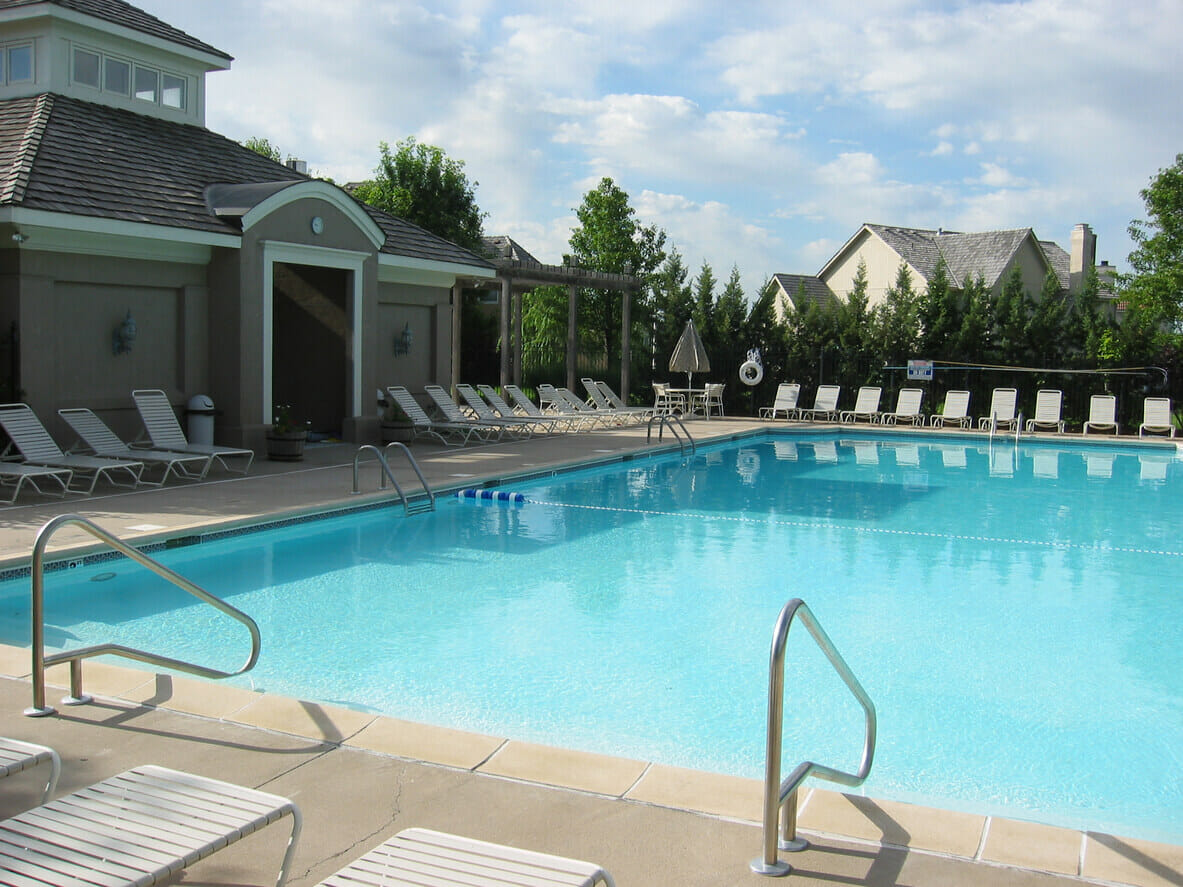
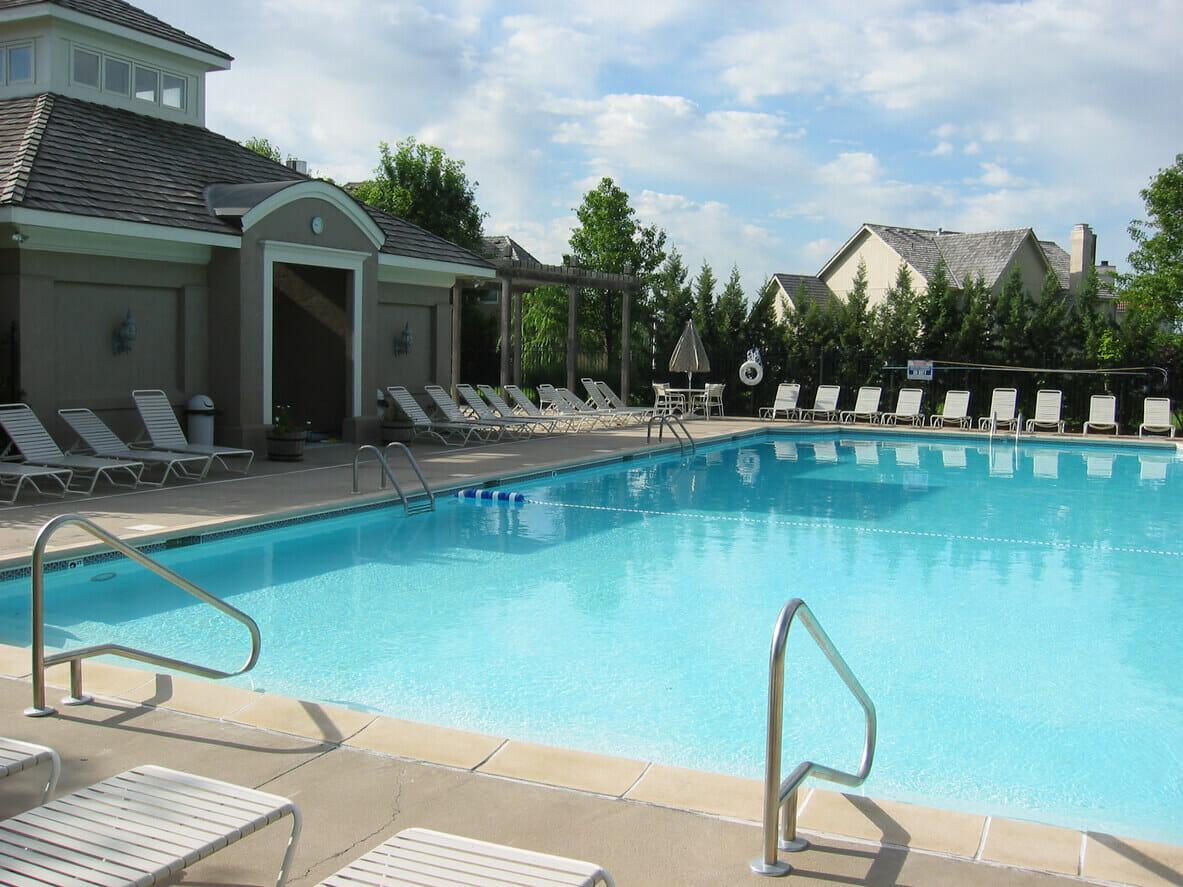
The city's explosive residential growth has produced dozens of new master-planned communities in recent years. Communities like eTown — Jacksonville's first smart-technology community with approximately 1,700 planned homes — Seven Pines, Tamaya (now sold out), and Silverleaf in nearby St. Johns County represent the new wave of HOA living in Northeast Florida. These communities typically offer resort-style amenities: pools, fitness centers, walking trails, dog parks, and lifestyle directors — all funded through monthly HOA dues.
Nationally, 67% of all newly completed homes in 2024 were part of an HOA community, up from just 49% in 2011. In the South and West — where Jacksonville squarely sits — that percentage is even higher. For Jacksonville buyers, this means the choice increasingly isn't whether to buy in an HOA community, but rather which one to choose and whether the value is worth the cost.
The HOA Regret Factor: What National Data Tells Jacksonville Buyers
The data on HOA satisfaction is genuinely mixed — and Jacksonville buyers deserve to see the full picture. The Frontdoor survey found that 70% of HOA residents would prefer to live without one, and 1 in 3 has had an HOA experience serious enough to make them want to move out. A separate Rocket Mortgage study of over 1,000 HOA homeowners found that 57% of members don't like having an HOA, and more than 3 in 10 feel their HOA has too much power. One in 10 has even considered selling their home specifically to escape their association.
The top reasons homeowners in HOA communities express frustration are consistent across surveys. Here are the most commonly cited complaints:
Unreasonable or rising fees — cited by 63% of unhappy HOA residents (Frontdoor survey), with 51% reporting their dues increased in the past year
Lack of say in financial decisions — only 28% of HOA homeowners feel involved in how their money is spent
Overly restrictive rules — covering everything from paint colors and landscaping to parking, pet limits, and fence types
Inconsistent enforcement — when rules are applied selectively, trust in the board erodes quickly
Board governance issues — personality conflicts, poor communication, and lack of transparency top the list of board-related complaints
At the same time, the data isn't entirely negative. A LendingTree survey found that 63% of HOA members consider their dues fairly priced given the benefits received, and 57% say membership has made their lives easier. The key, as any experienced Jacksonville real estate professional will tell you, is knowing what you're buying into before you close.
The Real Cost of HOA Living in Jacksonville and Northeast Florida
Understanding the full cost of an HOA is critical for Jacksonville buyers working within a budget. The national average HOA fee is $243 per month according to the U.S. Census Bureau's 2023 American Housing Survey — up significantly from $191 in 2021. But Florida communities, particularly those with resort-style amenities, frequently exceed that average.
Florida ranks fourth in the nation for highest average condominium assessment fees, and single-family HOA communities here carry above-average costs as well. Florida's challenging climate — including hurricane risks, high humidity, and the need for constant exterior maintenance — contributes to higher-than-average insurance and upkeep expenses that are passed on to homeowners through their dues.
For Jacksonville buyers, there's also the CDD — Community Development District — fee to consider. Many of Jacksonville's master-planned communities, including popular areas near the Southside, Mandarin corridor, and St. Johns County, carry both an HOA fee and a separate CDD fee on the property tax bill. These fees fund infrastructure like roads, parks, and utilities within the community, and can add hundreds of dollars annually to your housing costs. Some newer communities, like Silverleaf, specifically market the absence of CDD fees as a major selling point — a sign of how significant these additional charges can be for buyers.
When budgeting for an HOA home in Jacksonville, buyers should account for all of the following:
Monthly HOA dues (and review the history of fee increases over the past 3-5 years)
Any CDD fees assessed separately on your annual property tax bill
Special assessments — one-time charges for major repairs or improvements not covered by reserves
Reserve fund health — a well-funded reserve means less risk of unexpected special assessments
Insurance cost increases — Florida's property insurance market has seen dramatic premium hikes in recent years, which can cascade to HOA dues
What Jacksonville HOA Communities Do Well: The Real Benefits
It would be unfair to paint HOAs with an entirely negative brush. Jacksonville's newer master-planned communities in particular offer amenity packages that are genuinely impressive and would be difficult for individual homeowners to replicate. Communities like Seven Pines offer walkable neighborhoods, resort-style pools, parks, and fitness centers across more than 1,000 acres. eTown is built around sustainability and smart-home technology, with 50% of its land preserved as green space and EV-friendly infrastructure throughout.
Research consistently shows that homes in HOA communities tend to sell for 5-6% more than comparable non-HOA homes, according to data from the Cato Institute. For Jacksonville homeowners who plan to build equity and eventually sell, that premium can translate into meaningful financial gains — particularly as the region's population continues to grow and demand for planned-community living remains strong. For Jacksonville families with children, HOA communities often cluster around top-rated schools in Duval and St. Johns counties — one of the most significant factors driving demand for planned community living in the region.
The most commonly valued HOA amenities among Jacksonville and Florida homeowners include:

Neighborhood landscaping and common area maintenance — the #1 most valued service nationally (64%)
Community security and gated access
Resort-style swimming pools — particularly appealing in Jacksonville's year-round warm climate
Walking trails, dog parks, and outdoor recreation spaces
Community events and lifestyle programming that help build neighborhood connections
For Jacksonville families with children, HOA communities often cluster around top-rated schools in Duval and St. Johns counties — one of the most significant factors driving demand for planned community living in the region.
Know Your Rights: Florida HOA Law and Jacksonville Homeowner Protections
Florida has some of the most comprehensive HOA-related legislation in the country — and as a Jacksonville homeowner, understanding your rights under state law is essential. Florida's Homeowners Association Act (Chapter 720, Florida Statutes) governs the operations of most residential HOAs in Duval County and across Northeast Florida.
Under Florida law, homeowners have the right to attend and speak at board meetings, inspect official records (including financial statements and meeting minutes), and challenge rule enforcement they believe is unfair or selectively applied. Florida also has solar access laws that prevent HOAs from outright banning solar panel installations — though associations can still impose reasonable requirements for placement and aesthetic standards.
One critical Florida-specific protection: an HOA can foreclose on your home if you fail to pay dues or assessments — even if your mortgage is current. This is not hypothetical; it is a real legal mechanism with real consequences. Before purchasing in any Jacksonville HOA community, reviewing the association's governing documents — its CC&Rs, bylaws, and budget — is not optional. It is essential.
The Jacksonville Homebuyer's HOA Due Diligence Checklist
Whether you're considering a home in Deerwood, Ponte Vedra, Oakleaf Plantation, or any of Jacksonville's hundreds of HOA-governed neighborhoods, the following due diligence steps should be completed before closing:
Request and read the full governing documents — CC&Rs, bylaws, rules and regulations, and the most recent budget
Review the reserve fund study — is the HOA adequately funded for future major repairs?
Ask for 2-3 years of meeting minutes — patterns in disputes, complaints, or deferred maintenance tell you a lot
Check the HOA's fee history — have dues increased significantly in recent years? What's the trajectory?
Ask specifically about any pending special assessments — large, one-time charges that may not appear in the listed monthly dues
Verify whether the community also has a CDD fee and confirm the annual amount
Research the management company — Jacksonville has numerous professional HOA management firms, and the quality of management significantly impacts day-to-day life in the community
Talk to current residents — a candid conversation with a homeowner already living there is worth more than any brochure
Confirm the HOA's insurance coverage — and understand what homeowner insurance you'll still need to carry separately
Review enforcement records — how does the board handle violations? Is enforcement consistent and documented?
Is an HOA Community Right for You? Questions Every Jacksonville Buyer Should Ask
HOA living isn't for everyone — and that's completely valid. The right choice depends on your lifestyle, priorities, and tolerance for community governance. Here are some honest questions to help Jacksonville buyers decide:
Do you value amenities and curb appeal consistency? If shared pools, manicured common areas, and a well-maintained neighborhood aesthetic matter to you, an HOA community likely aligns with your priorities. If you'd rather have complete control over your property and fewer rules to navigate, Jacksonville's many established non-HOA neighborhoods — from Avondale and Riverside to Murray Hill and Springfield — may be a better fit.
Are you comfortable with monthly dues that could increase? HOA fees are not fixed. In a state with rising insurance premiums and increasing construction costs, Jacksonville HOA dues have trended upward in recent years. Buyers who are stretching their budget should factor in potential fee increases when calculating long-term affordability.
Do you want to be actively involved — or just left alone? HOAs work best when homeowners participate. Attending board meetings, serving on committees, and staying informed about community decisions can make a real difference in your experience. Only 41% of HOA residents nationally have ever attended a board meeting — and dissatisfaction tends to be highest among those who disengage entirely.
The Bottom Line for Jacksonville Homebuyers
With Florida leading the nation in HOA communities and Jacksonville's new construction boom showing no signs of slowing, HOA living is simply a reality that most Duval County homebuyers will encounter. The goal isn't to avoid HOAs entirely — it's to go in with your eyes wide open.
The homeowners who report the greatest satisfaction with HOA living share a few things in common: they did their homework before buying, they understood the financial obligations fully, and they chose a community whose rules and culture matched their lifestyle. The homeowners with the most regret? They were surprised — by rising fees, unexpected special assessments, or board governance they didn't anticipate.
Jacksonville's real estate market offers incredible variety — from bustling HOA-governed master-planned communities to historic, character-rich neighborhoods with no association at all. The right choice is the one that fits your life, your budget, and your vision for home. Knowing the difference, before you buy, is what makes all the difference.
Ready to find the right community in Jacksonville — HOA or otherwise? Our local real estate experts know Northeast Florida's neighborhoods inside and out. Whether you have questions about HOA communities in Ponte Vedra, Mandarin, Nocatee, or anywhere in Duval County, we're here to help you make a confident, well-informed decision.
Sources
Foundation for Community Association Research — Community Association Data (2024)
Frontdoor HOA Homeowner Survey (2024) — 1,000+ American homeowners surveyed on HOA experiences
Rocket Mortgage — "Assessing the Association" Survey (2024)
LendingTree HOA Survey (2024) — 1,000+ homeowners
U.S. Census Bureau American Housing Survey (2023)
iPropertyManagement HOA Statistics (2024)
Perez Mayoral, P.A. — Florida HOA Statistics & Analysis (2024)
Foundation for Community Association Research — Condominium Assessments Analysis
National Association of Realtors — "Navigating HOA Rules" (2024)
Florida Homeowners Association Act — Chapter 720, Florida Statutes